

Welcome to the Smartlab Knowledge Platform
Explore expert insights, planning guides, and best practices for modern laboratory architecture and implementation.

Lab Planning Fundamentals
From first sketches to functional layouts – understand the basics of effective lab planning.

GMP & Regulatory Compliance
Designing for standards: What you need to know about GMP, DIN EN 15189, ISO and more.
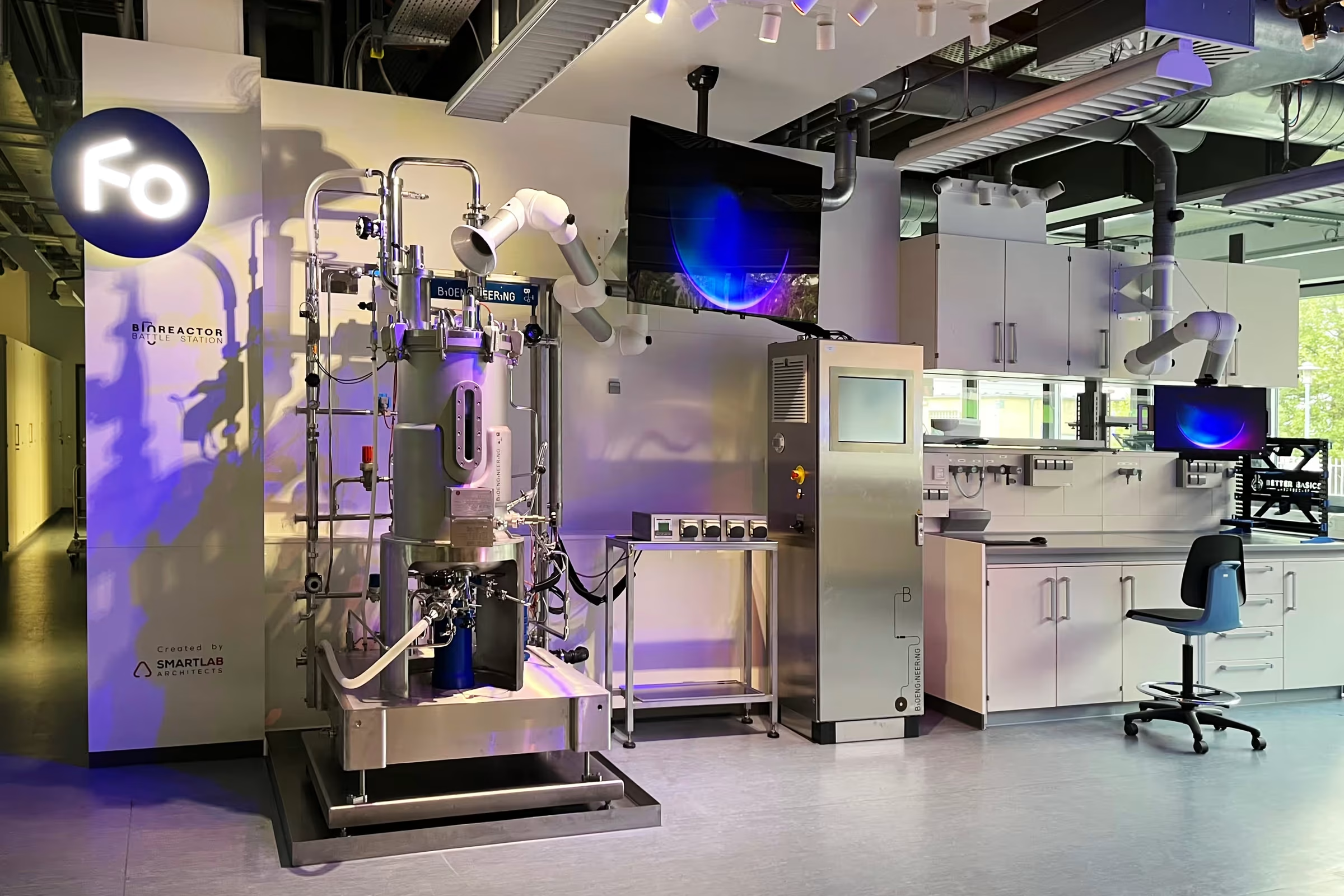
Architecture & Technical Design
Smart structures for smarter science – explore modern lab architecture and technical concepts.
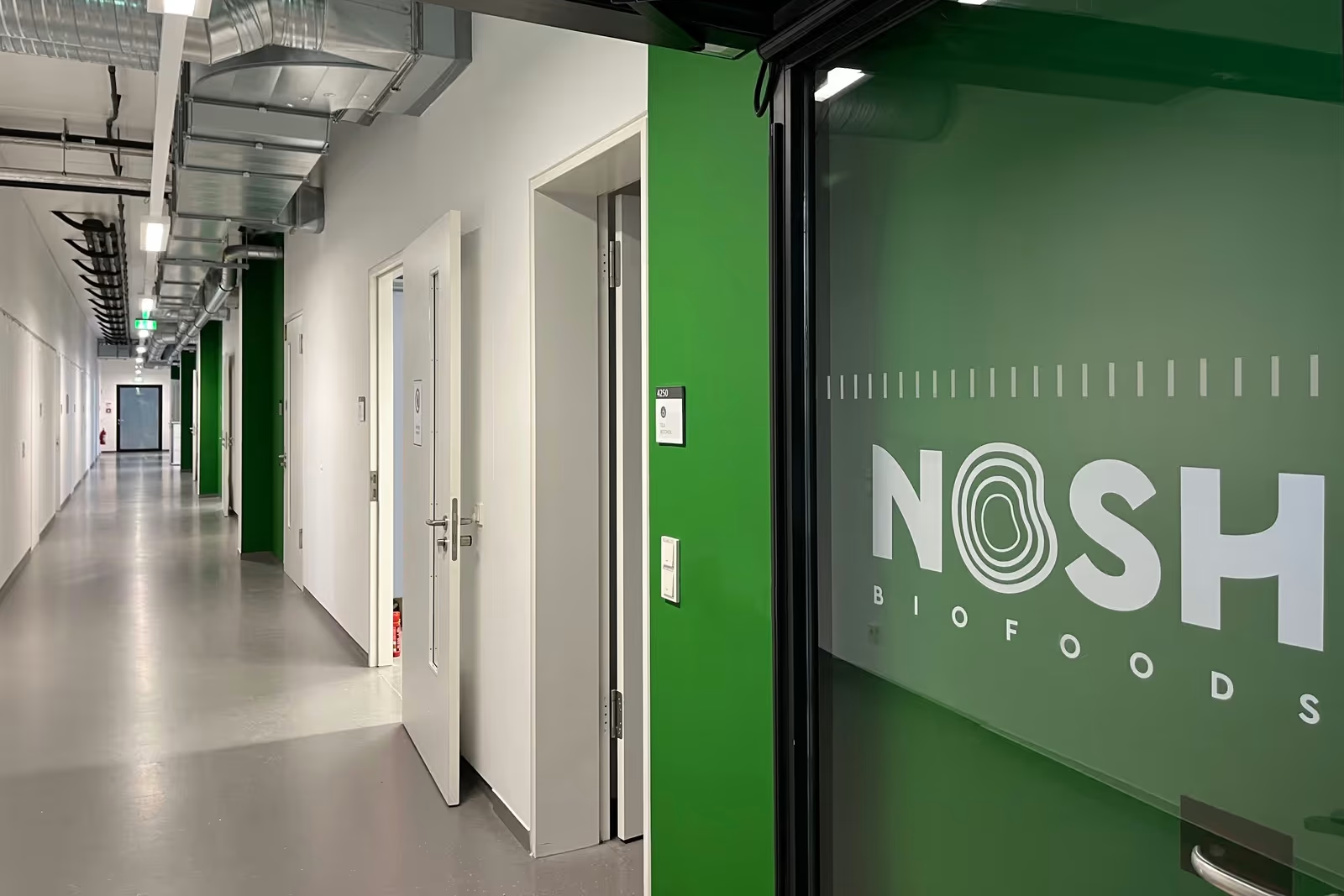
Industry-Specific Lab Solutions
Tailored planning insights for pharma, biotech, universities, and clinical labs.

Sustainability & Future Labs
Plan with tomorrow in mind – energy efficiency, adaptability, and green lab design.

Digital Planning & Innovation
How BIM, digital twins and modular design are changing the future of lab construction.
Need help?
Whether you’re planning a Smartlab, selecting the right equipment, or integrating digital infrastructure — we’re here to guide you. Our experts answer the most common questions about lab design, automation, and implementation.
Smartlab Basics
What it is and why it matters
A Smartlab is a digitally connected laboratory where instruments, data, and workflows are integrated to improve efficiency, traceability, and reproducibility.
Click edit button to change this text. Lorem ipsum dolor sit amet, consectetur adipiscing elit. Ut elit tellus, luctus nec ullamcorper mattis, pulvinar dapibus leo.
Begin with a digital assessment. Identify repetitive tasks, key data flows, and integration points. Then implement software tools like ELNs and LIMS.
Core technologies include IoT-enabled lab devices, cloud platforms, Laboratory Information Management Systems (LIMS), and Electronic Lab Notebooks (ELN).
Pharma, biotech, academia, chemical and materials research — any organization aiming for scalable, compliant, and data-driven lab operations.
Yes. Modular systems allow small labs to start small and grow as needed, without needing massive upfront investment.
Infrastructure & Integration
How it connects and runs
Through middleware or direct APIs that link instruments with lab software such as ELNs or LIMS — ensuring seamless data transfer.
A stable network, device connectivity (IoT), server or cloud-based data management, and security layers like firewalls and encryption.
Yes, with the right provider. Look for certifications (e.g. ISO 27001), regular backups, and strong access controls.
In many cases, yes — using adapters or middleware that allow data extraction and conversion into modern formats.
Implement multi-factor authentication, role-based access, encrypted storage, and regular system audits.
Rushing into digitalization without a long-term integration strategy. Always align your digital tools with actual lab workflows.